General Purpose Plied Conveyor Belt
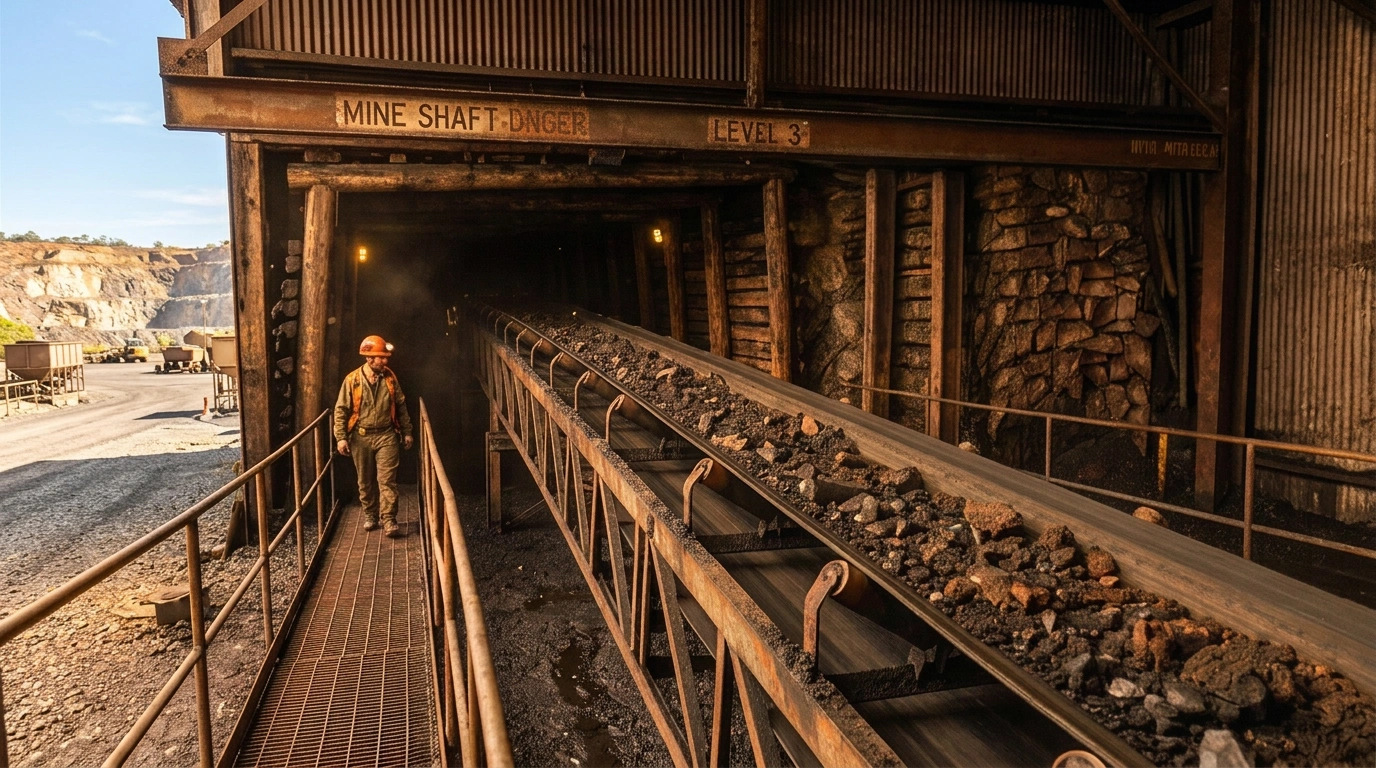
Two cover qualities are available for abrasive materials under average or severe working conditions.

Conveyor Belting
Conveyor Belting Products Overview
Two cover qualities are available for abrasive materials under average or severe working conditions.
Flame-retardant and antistatic PVC/PVG solid woven conveyor belting.
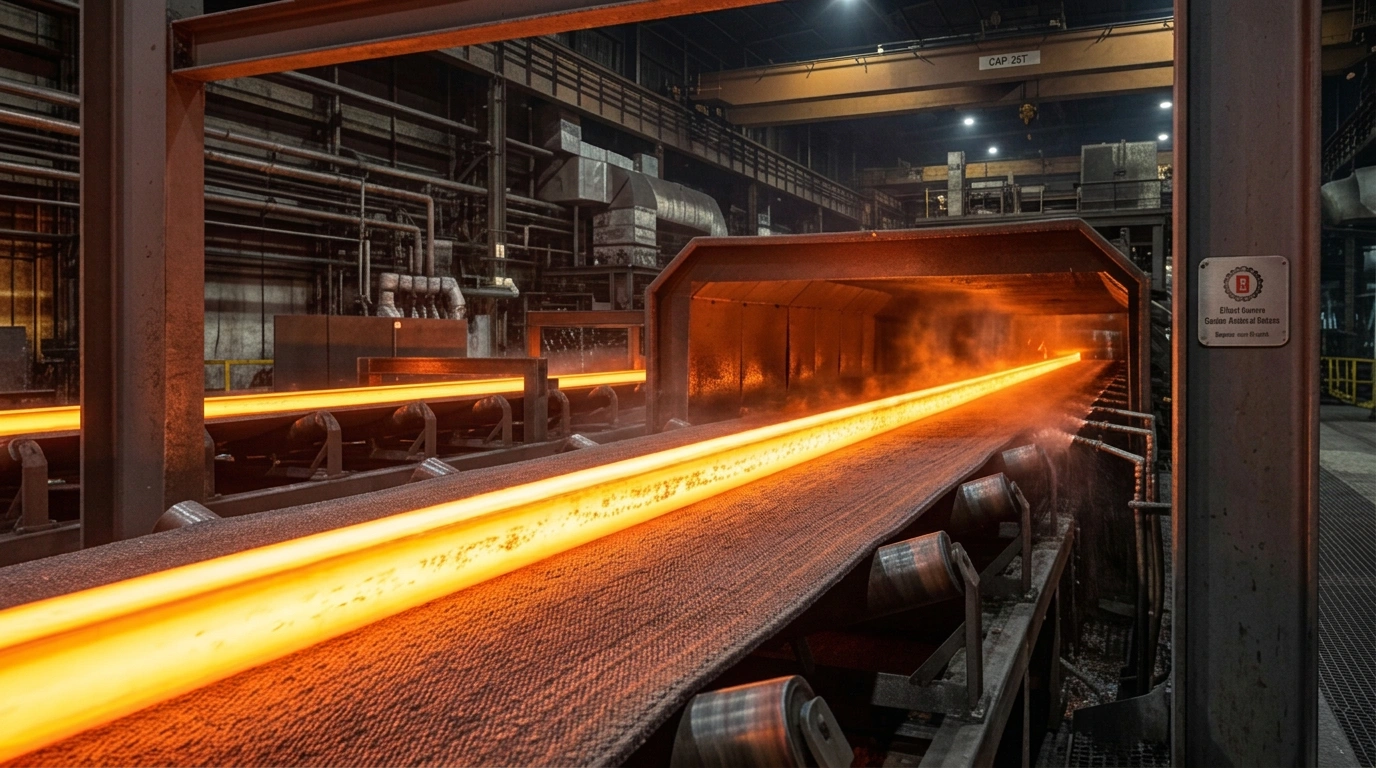
Heat-resistant conveyor belting for hot materials and high-temperature applications.
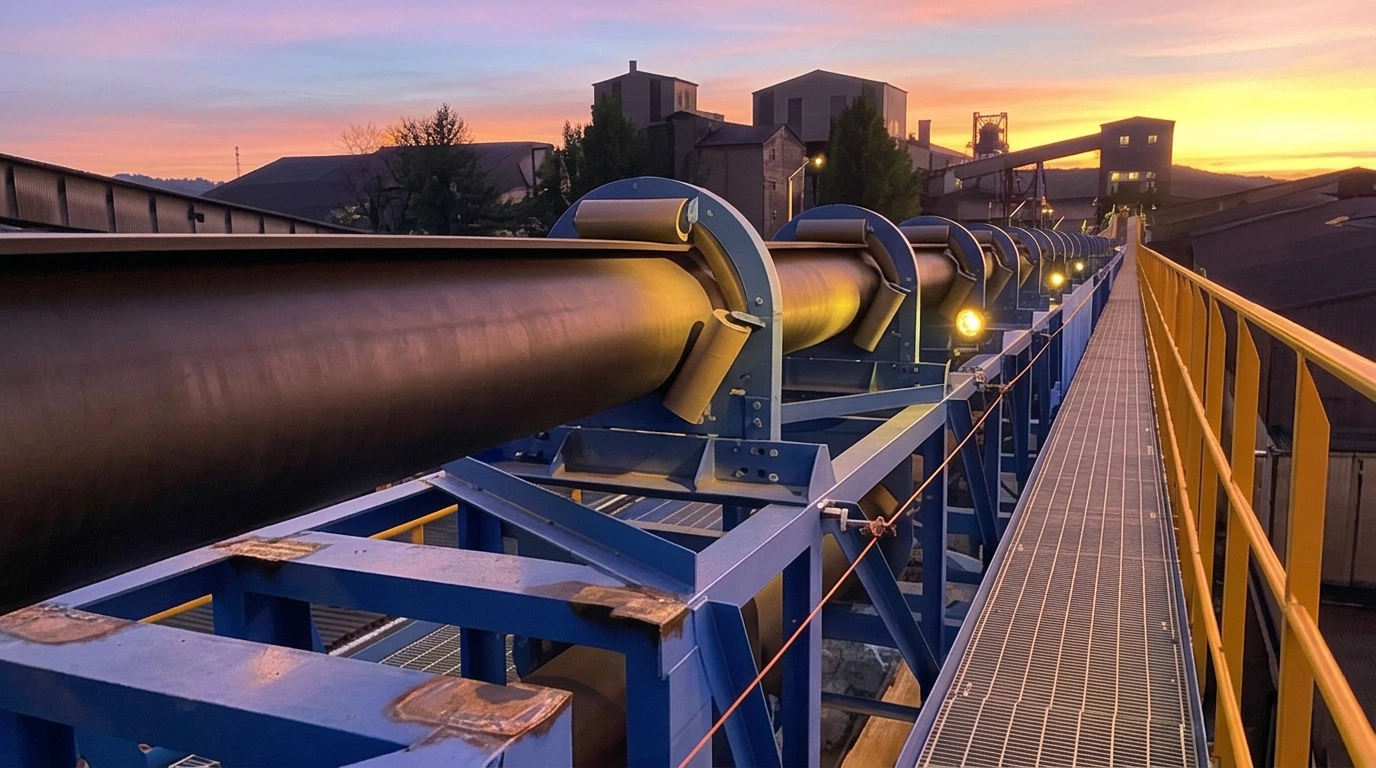
Enclosed conveyor belting for clean, safe and contained material transport.
Patterned conveyor belting for inclined conveying applications.
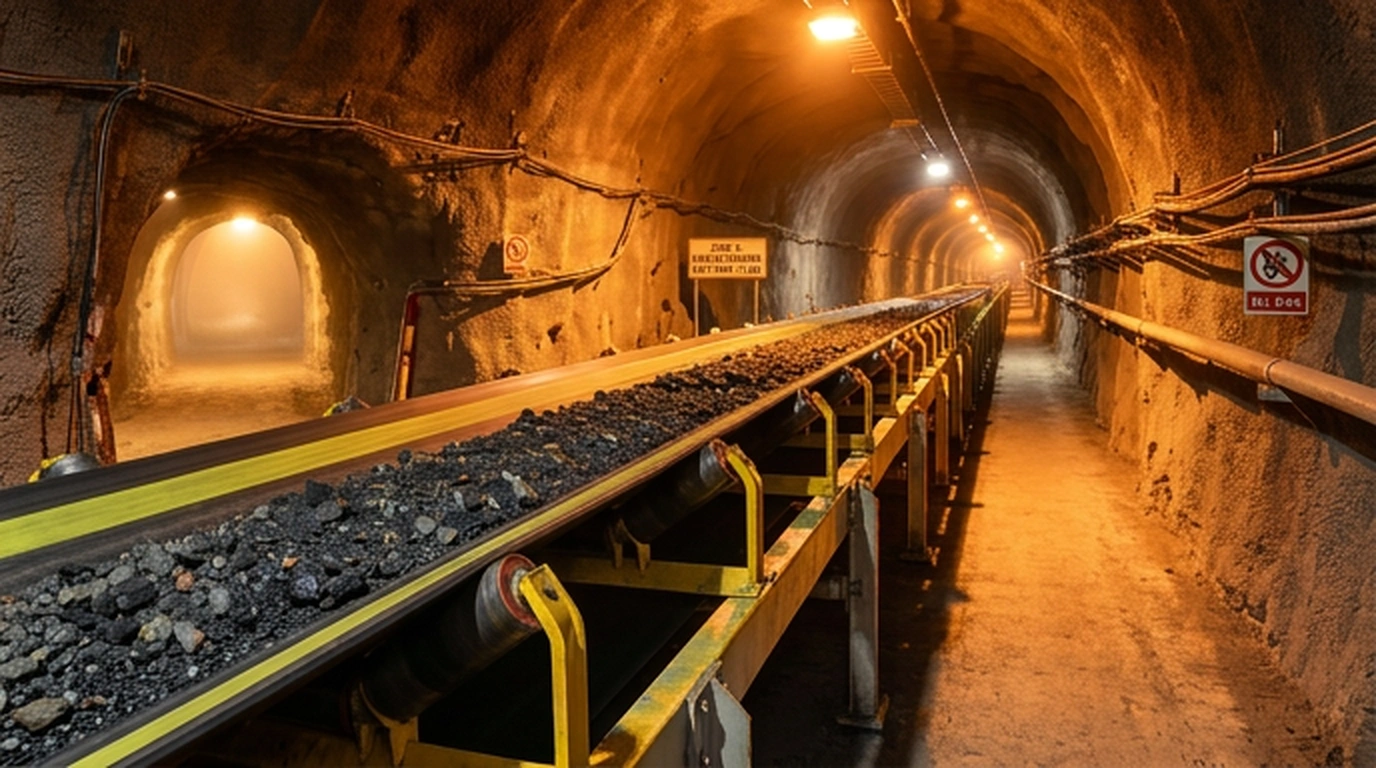
High-strength conveyor belting for long-distance material transport.
Fire-retardant plied belting for conveying applications where fire resistance is a priority.
Our manufacturing partner is a privately funded enterprise that was established in 1986. The business is recognized as a leading conveyor belt manufacturer in China, distinguishing itself as a market leader among more than 80 competing manufacturers. Their quality standards conform to international benchmarks, including viz DIN (German) and J.I.S. (Japanese) specifications. This is further supported by their ISO 9001 certification, which they received in 1996.
With an annual production capacity of approximately 3,000,000 metres, the factory also boasts the widest belt production of steel-cord in China at 2,500mm. This level of capacity is matched or exceeded only by a select group of global leaders, including Phoenix (Germany), Continental (Germany), Brando (Japan), Yokohama (Japan), and Bridgestone (Japan).
A standard rubber conveyor belt consists of a rubber cover, carcass, and rubber skim coats. Reinforced fabrics are incorporated to enhance strength and durability.
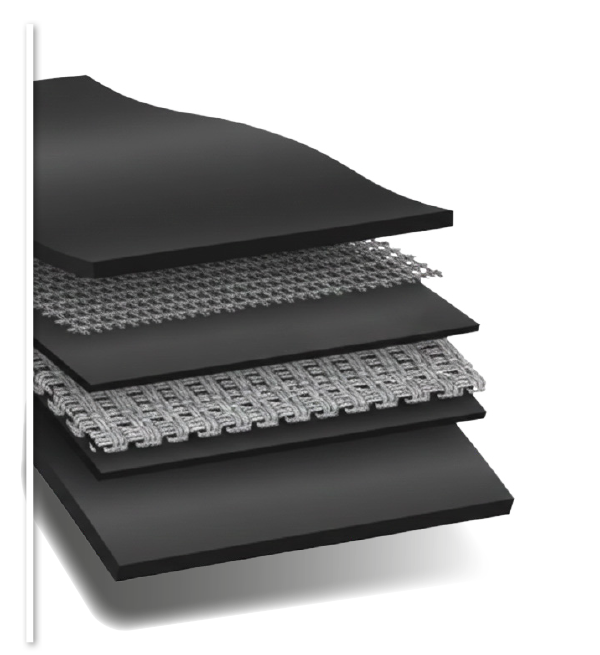
Our rubber covers are manufactured in accordance with BS 490, DIN 22102 & SANS 1173:2024. Natural or synthetic rubber covers are designed to protect the carcass from abrasion, impact, deterioration, and other damaging influences. Compounds are formulated to suit specific service conditions, including abrasion resistance, oil resistance, heat resistance, fire resistance, chemical resistance, and antistatic properties.
The most suitable rubber is selected based on the type and size of material being conveyed, as well as operating conditions such as impact height, impact conditions, belt life, etc.
Download Data Sheet downloadThe carcass provides the belt’s tensile strength and supports the conveyed load. It consists of multiple plies of rubber-impregnated fabric that are bonded together using friction and skim coats. The most commonly used fabrics are polyester and nylon.
Download Data Sheet download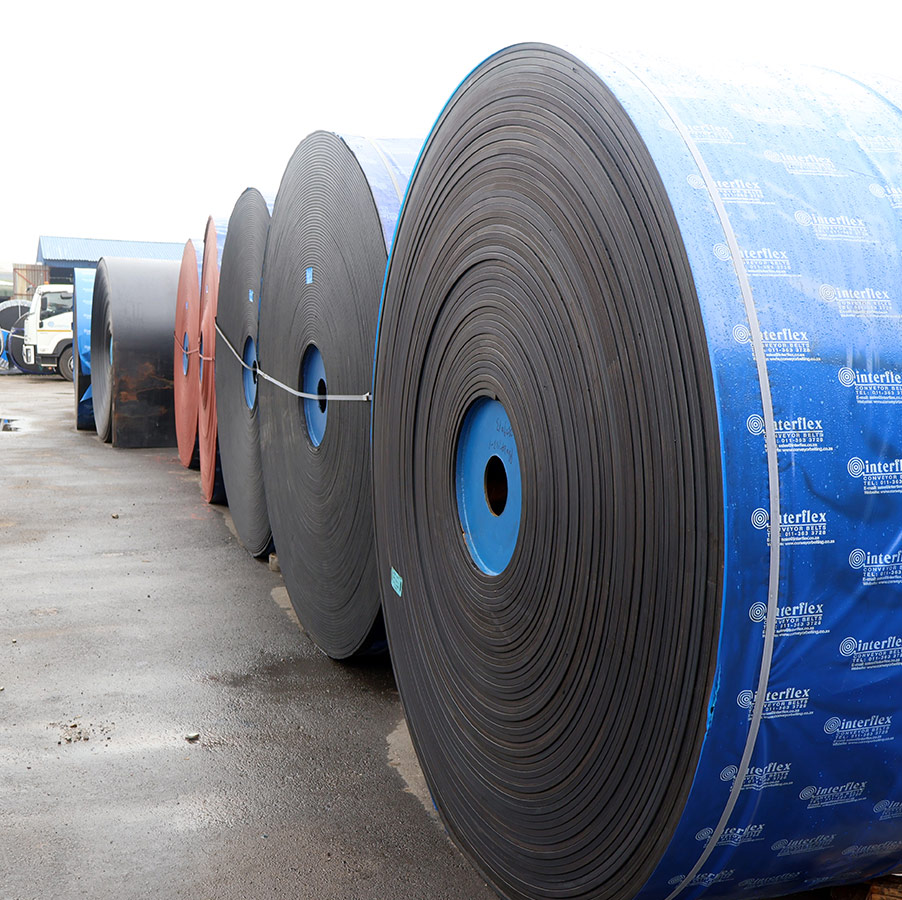
Rubber skim coats are compounded layers between plies that increase belt life and elasticity, ensuring strong fabric adhesion and preventing ply separation. Generous inter-ply rubber also improves impact absorption.
This is a specially woven fabric layer placed between the cover and carcass to enhance impact resistance, load support, and tear resistance.